LABORATORY GUIDE
BPC-157 vs TB-500: how the research compares
Updated 28 September 2026 · 6 min read
BPC-157 and TB-500 are the two most frequently compared peptides in tissue repair research. They are often mentioned together, but they are very different molecules with different proposed mechanisms.
| BPC-157 | TB-500 (thymosin beta-4) | |
|---|---|---|
| Length | 15 amino acids | 43 amino acids |
| Origin | Partial sequence of a gastric juice protein | Naturally occurring in most cells |
| Molecular weight | approx. 1,419 Da | approx. 4,963 Da |
| Main research focus | Tendon, ligament, gut and vascular models | Actin regulation, cell migration, wound and cardiac models |
| Proposed pathways | Angiogenesis, nitric oxide system, growth factor signalling | G-actin sequestration, cell migration, angiogenesis |
BPC-157
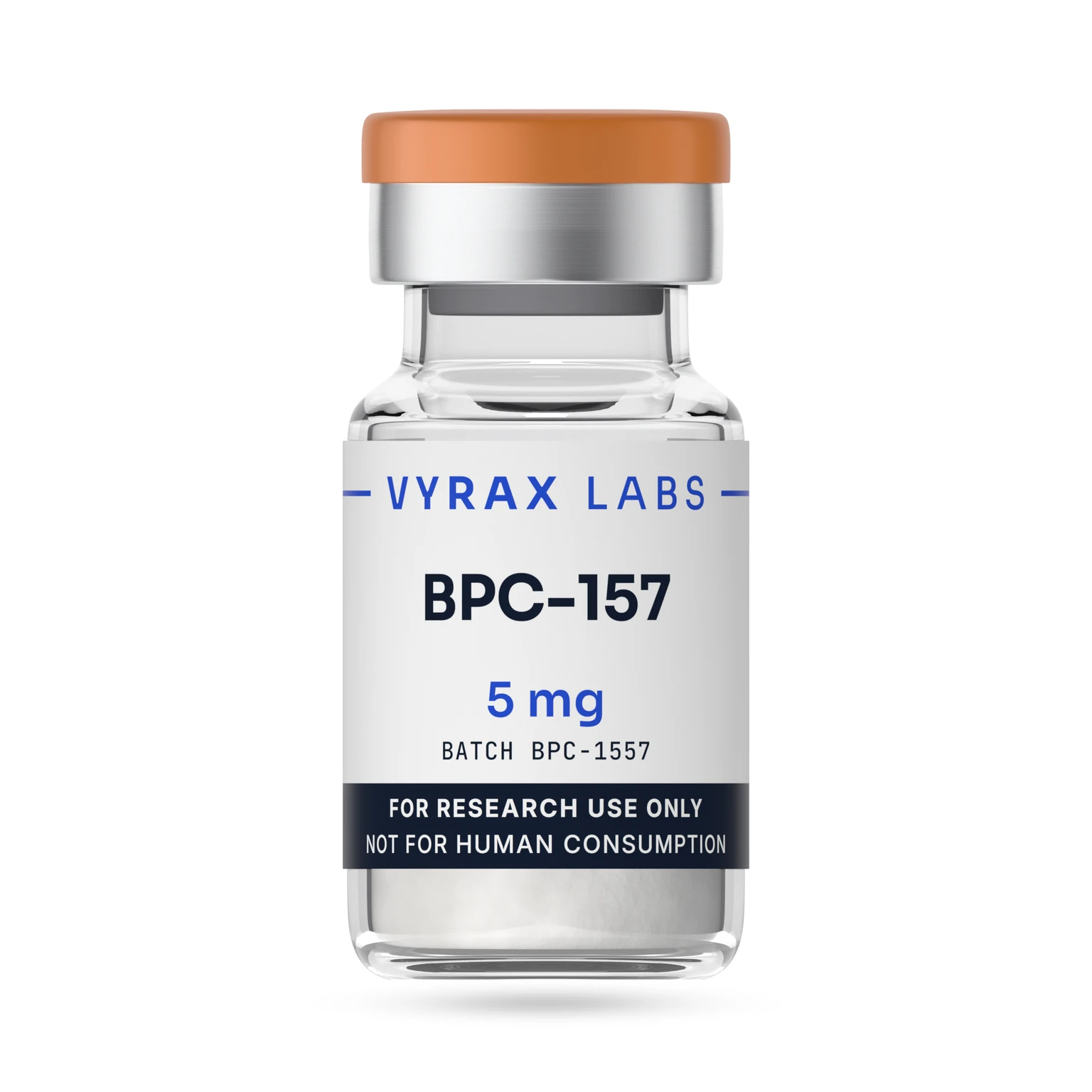
BPC-157 is notable for its stability in gastric conditions. Most of its literature comes from rodent models of tendon, ligament, muscle and gastrointestinal injury, where it has been linked to angiogenesis and the nitric oxide system. Human clinical data are very limited, and recent reviews stress the need for controlled studies.
TB-500
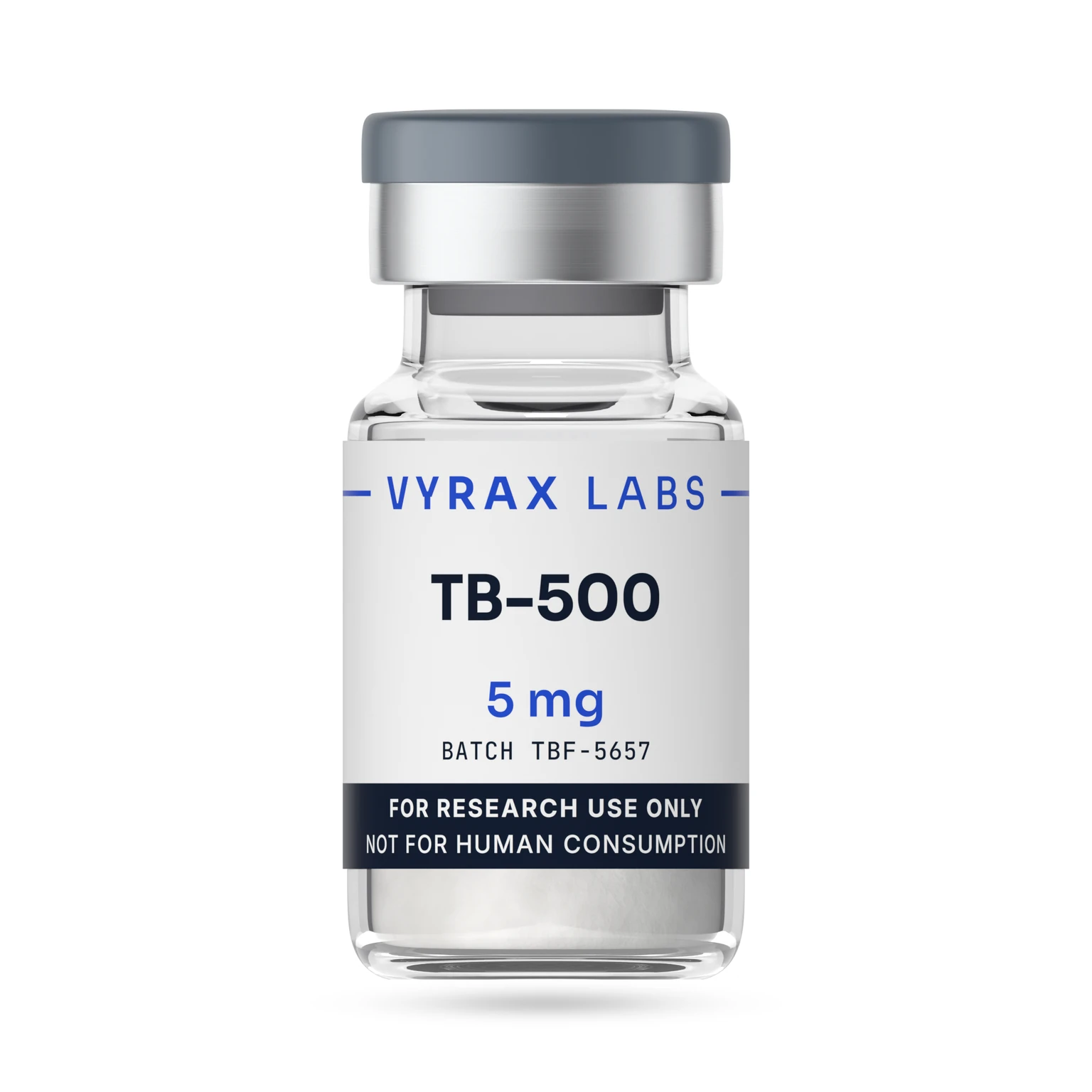
Thymosin beta-4 binds monomeric G-actin and regulates actin polymerisation, which is central to cell migration. It has been studied in wound repair, corneal injury and cardiac models. Note that the name TB-500 is sometimes used for a short synthetic fragment of thymosin beta-4 rather than the full-length peptide, so check the molecular weight on the certificate.
Why they are studied together
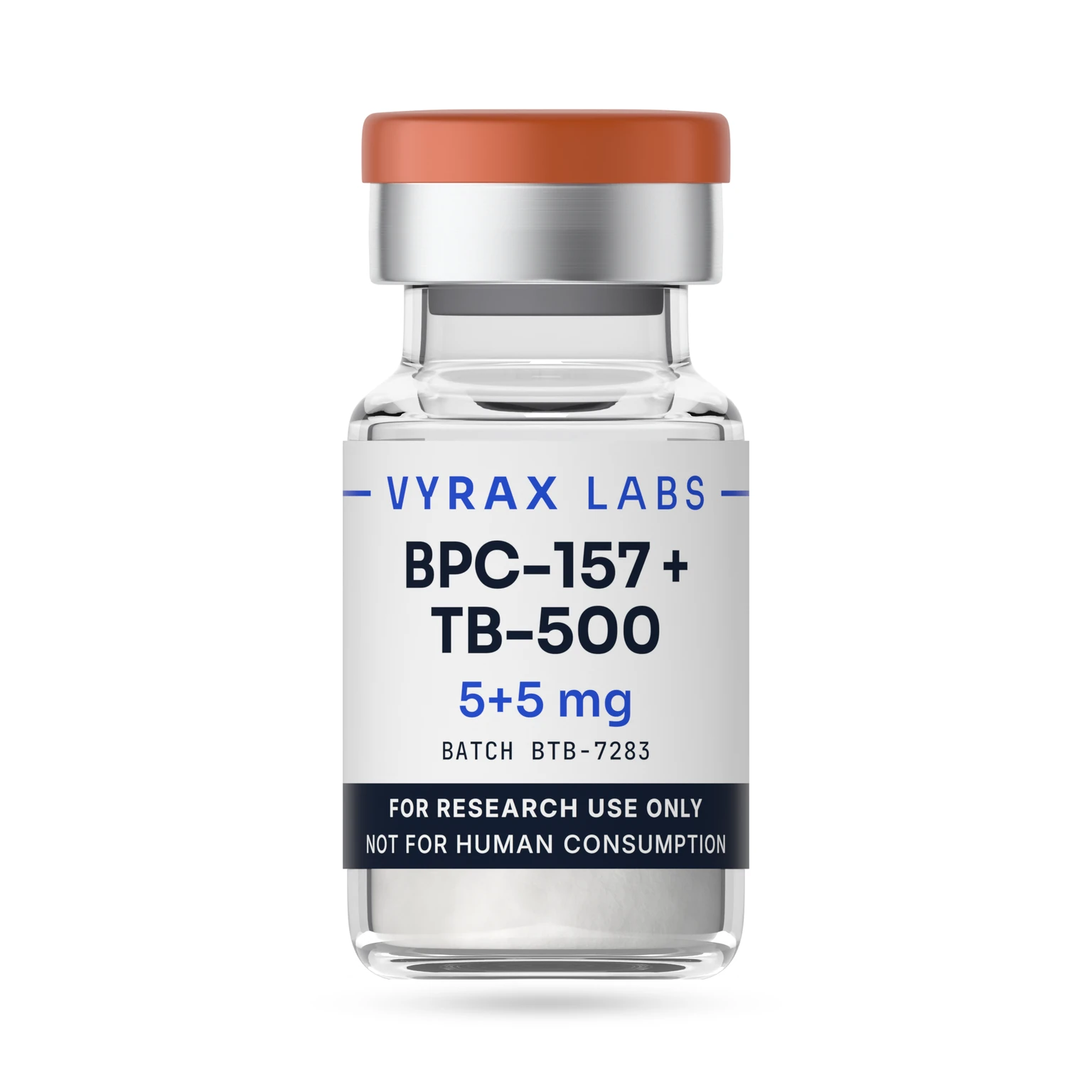
Because the two peptides are thought to act through different pathways, some researchers study them in combination to compare single and combined effects in the same model. Our Wolverine Stack supplies both in one vial from the same batch.