LABORATORY GUIDE
How to reconstitute lyophilised peptides
Updated 28 September 2026 · 6 min read
Research peptides are supplied as a lyophilised (freeze-dried) powder because peptides are far more stable dry than in solution. Before use in an assay they must be dissolved in a suitable diluent, a process called reconstitution. Done carefully, it gives a solution of known concentration without damaging the peptide.
What you need
- The sealed peptide vial, brought to room temperature before opening
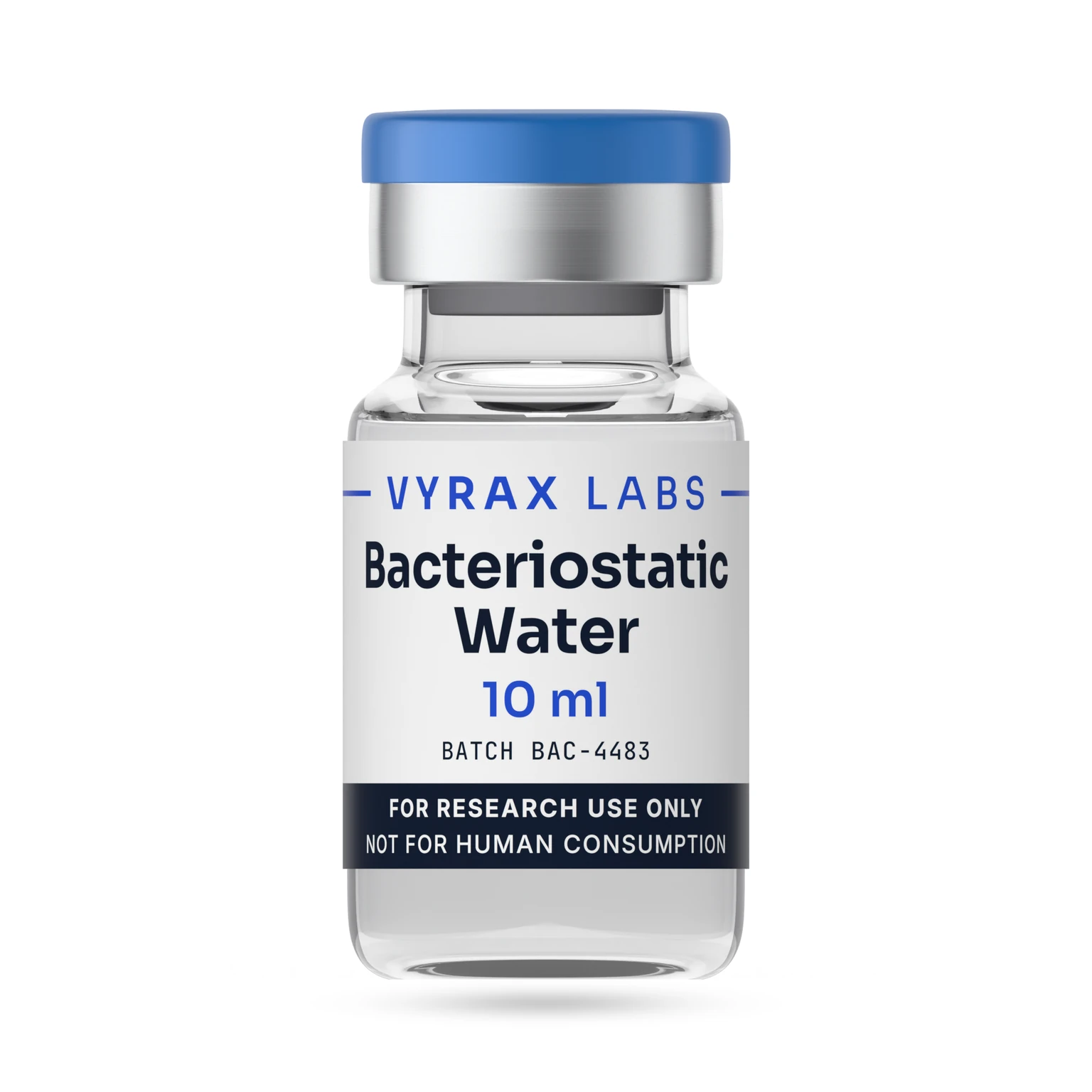
- A sterile diluent. Bacteriostatic water (sterile water with 0.9% benzyl alcohol) is the usual choice for multi-access vials; sterile water or a buffer may be specified by your protocol
- Sterile single-use laboratory syringes or calibrated pipettes
- Alcohol wipes for the vial stoppers
- A clean, low-draught work surface and appropriate PPE
Step by step
- Let the vial reach room temperature for 10 to 15 minutes so condensation does not form inside it.
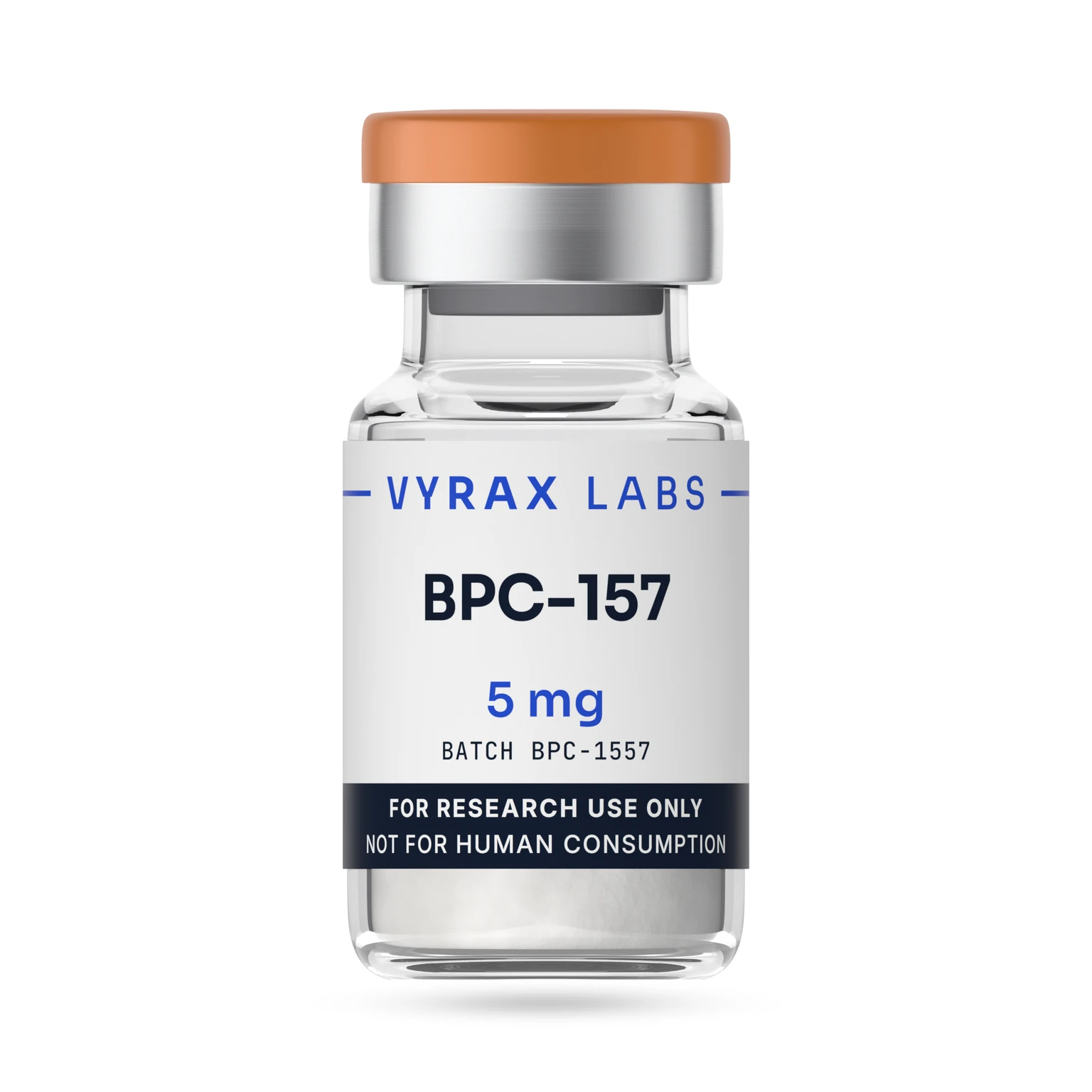
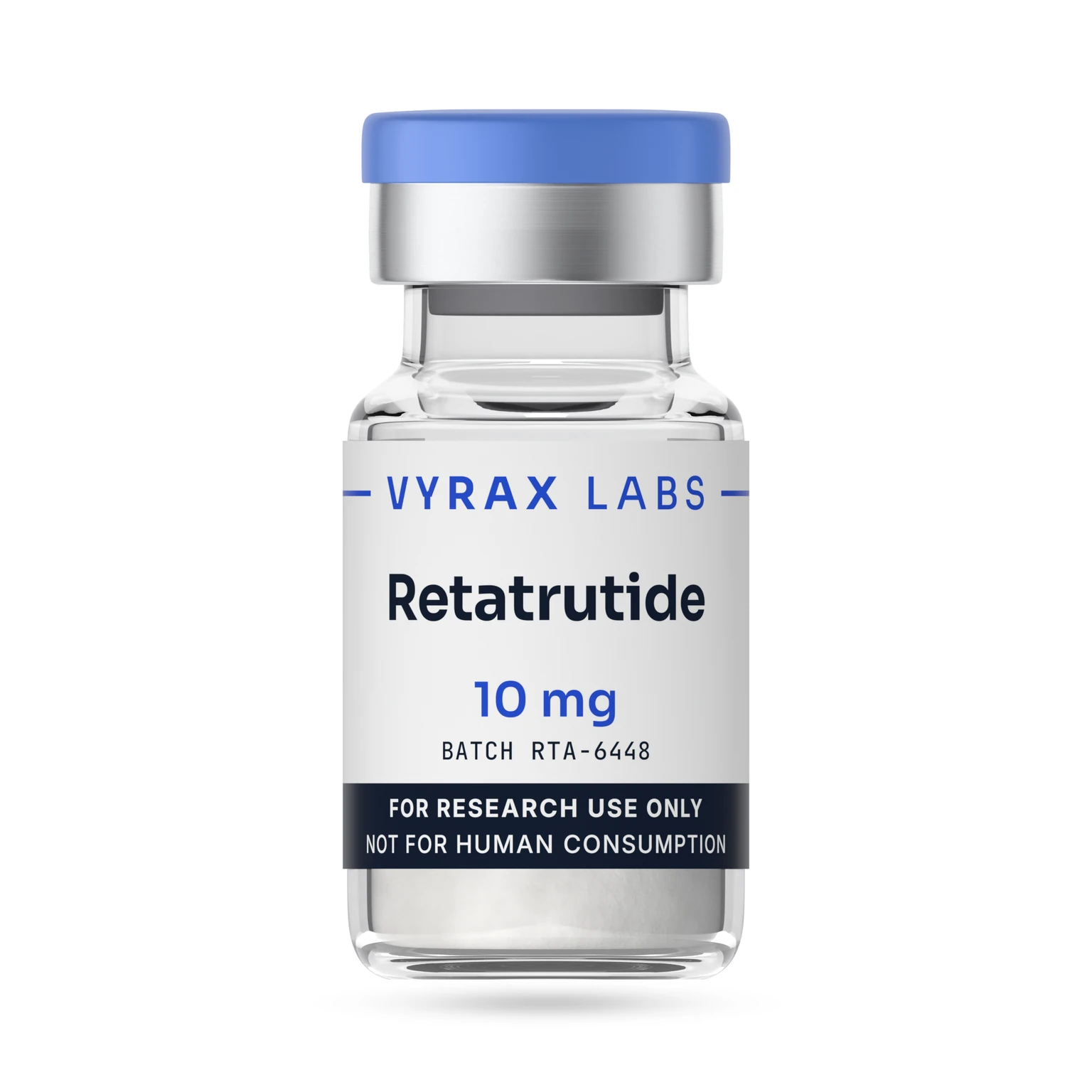
- Check the label and batch number against your records and the certificate of analysis.
- Wipe the rubber stoppers of the peptide vial and the diluent vial with an alcohol wipe and allow them to dry.
- Draw up the calculated volume of diluent (see the maths below).
- Insert the needle through the stopper and let the diluent run slowly down the inside wall of the vial. Do not jet it directly onto the powder.
- Swirl gently or roll the vial between your fingers until the powder has dissolved. Do not shake, as agitation can cause foaming and aggregation.
- Inspect the solution. It should be clear and free of particles. Some peptides, such as GHK-Cu, give a coloured (blue) solution, which is normal.
- Label the vial with the concentration, date of reconstitution and batch number, then store it refrigerated at 2 to 8°C.
Working out the concentration
Concentration is simply the amount of peptide divided by the volume of diluent. A 10mg vial reconstituted with 2ml of bacteriostatic water gives 5mg/ml. The same vial with 1ml gives 10mg/ml. Use our reconstitution calculator to work this out in either direction, including the volume needed to reach a target concentration.
| Vial | Diluent volume | Concentration |
|---|---|---|
| 5mg | 1ml | 5mg/ml |
| 5mg | 2ml | 2.5mg/ml |
| 10mg | 2ml | 5mg/ml |
| 10mg | 3ml | 3.33mg/ml |
| 50mg | 5ml | 10mg/ml |
After reconstitution
Reconstituted peptides are much less stable than the dry powder. Keep them at 2 to 8°C, protect them from light and avoid freeze-thaw cycles. If you need to store a solution for longer, divide it into single-use aliquots and freeze those, so each aliquot is thawed only once.