LABORATORY GUIDE
How to read a peptide certificate of analysis
Updated 28 September 2026 · 7 min read
A certificate of analysis (CoA) is the laboratory report that shows what is actually in a batch. For research peptides, a useful CoA answers three questions: is it the right molecule, how pure is it, and how much is in the vial?
What a good CoA includes
- The testing laboratory's name and a unique report or sample number
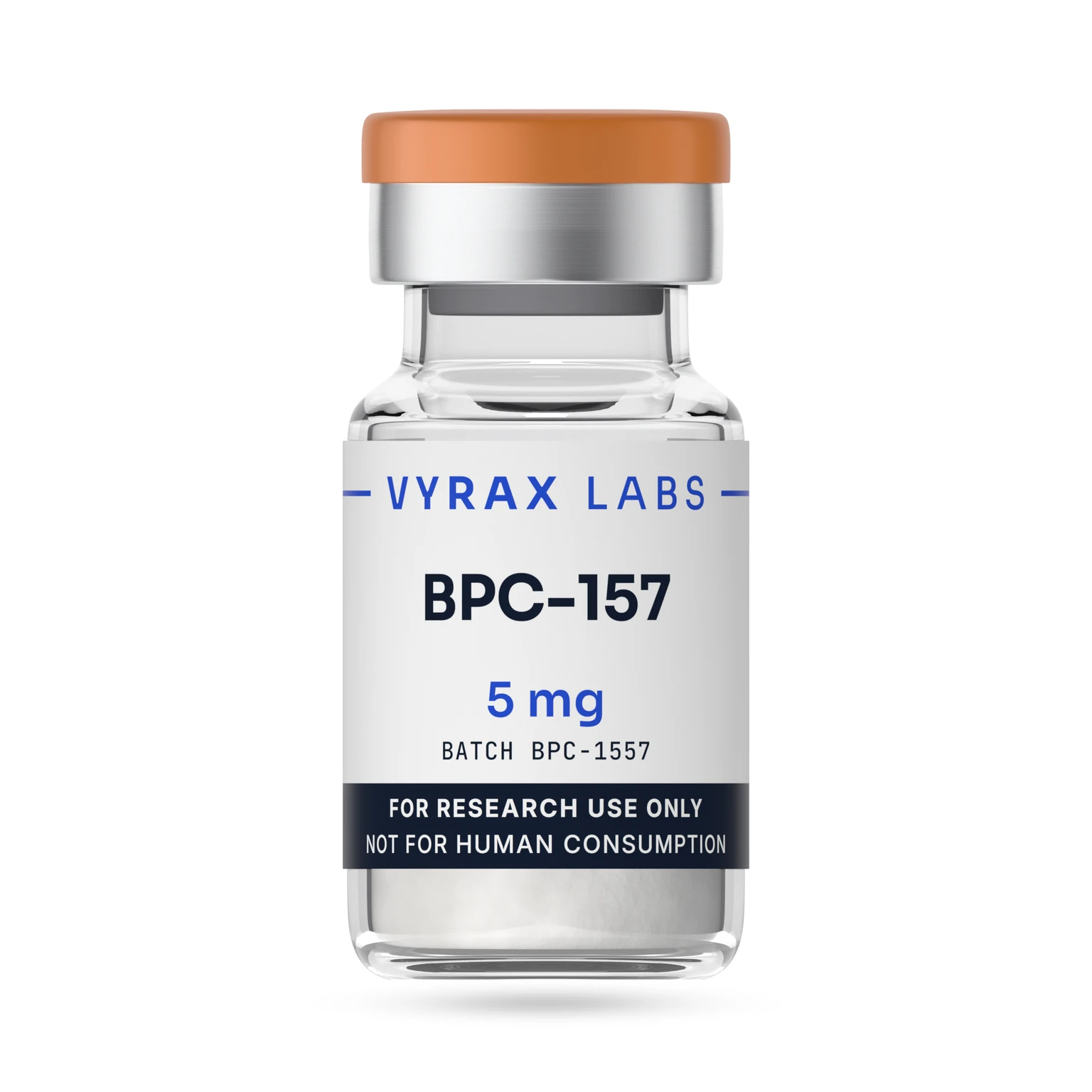
- The batch number, which should match the number printed on your vial
- The compound and labelled amount (for example, BPC-157 10mg)
- HPLC purity as a percentage, with the chromatogram
- Mass spectrometry results confirming the molecular weight
- Net peptide content or measured quantity, where tested
- The test date and the method used
HPLC purity
High-performance liquid chromatography separates the components of a sample as it passes through a column. Each component produces a peak on the chromatogram. Purity is the area of the main peak as a percentage of the total peak area. A figure of 99% means that 99% of the UV-absorbing material detected was the target peptide. It does not measure water, salts or counter-ions, which is why net content is reported separately.
Mass spectrometry
HPLC shows how pure a sample is, but not what it is. Mass spectrometry (MS or LC-MS) measures the mass of the molecule so it can be compared with the theoretical molecular weight. The two methods together confirm both identity and purity. Our product pages list the theoretical molecular weight of each compound so you can compare it with the certificate.
Red flags
- No laboratory name, or a report that cannot be traced to a real laboratory
- A batch number that does not match your vial, or no batch number at all
- The same certificate reused across different compounds or years
- Purity with no chromatogram, or identity with no mass spectrometry
- Round numbers with no method stated