LABORATORY GUIDE
Peptide storage and handling guide
Updated 28 September 2026 · 5 min read
Peptides degrade through several routes: hydrolysis, oxidation (particularly methionine, cysteine and tryptophan residues), deamidation and aggregation. Good storage slows every one of them. The rules below apply to most research peptides; always check compound-specific data where it exists.
Lyophilised (powder) peptides
- Long-term storage: -20°C or colder, in the sealed vial.
- Short-term storage (weeks): 2 to 8°C refrigeration is suitable for most peptides.
- Transit: lyophilised peptides tolerate room temperature for the few days of normal UK delivery.
- Keep vials away from light and moisture. Store them in their box or an opaque container.
- Allow a cold vial to reach room temperature before opening, so moisture does not condense on the powder.
Reconstituted (solution) peptides
- Store at 2 to 8°C and protect from light.
- Avoid repeated freeze-thaw cycles. If freezing is needed, aliquot first.
- Use sterile technique every time the vial is accessed.
- Bacteriostatic water limits microbial growth in multi-access vials; sterile water does not.
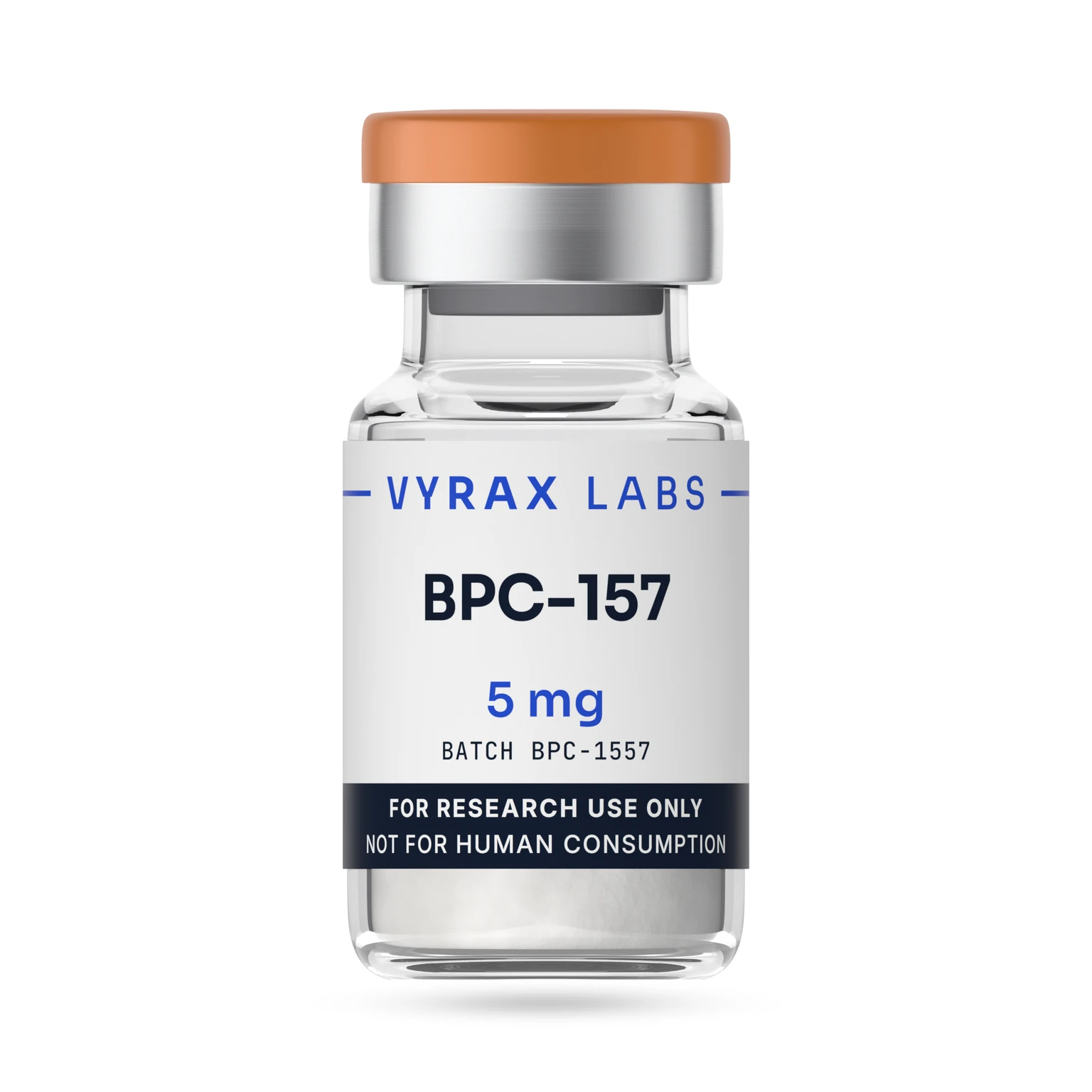
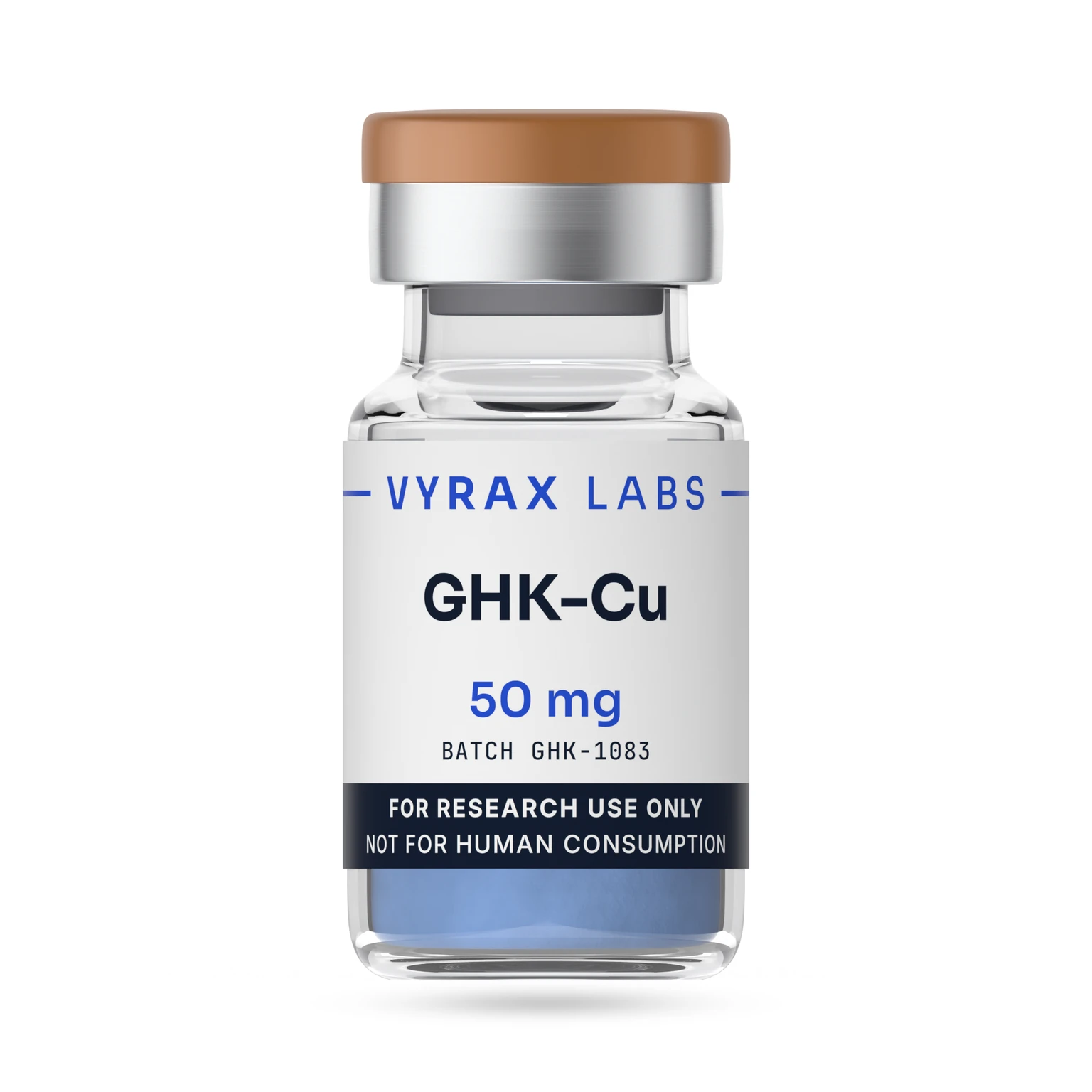
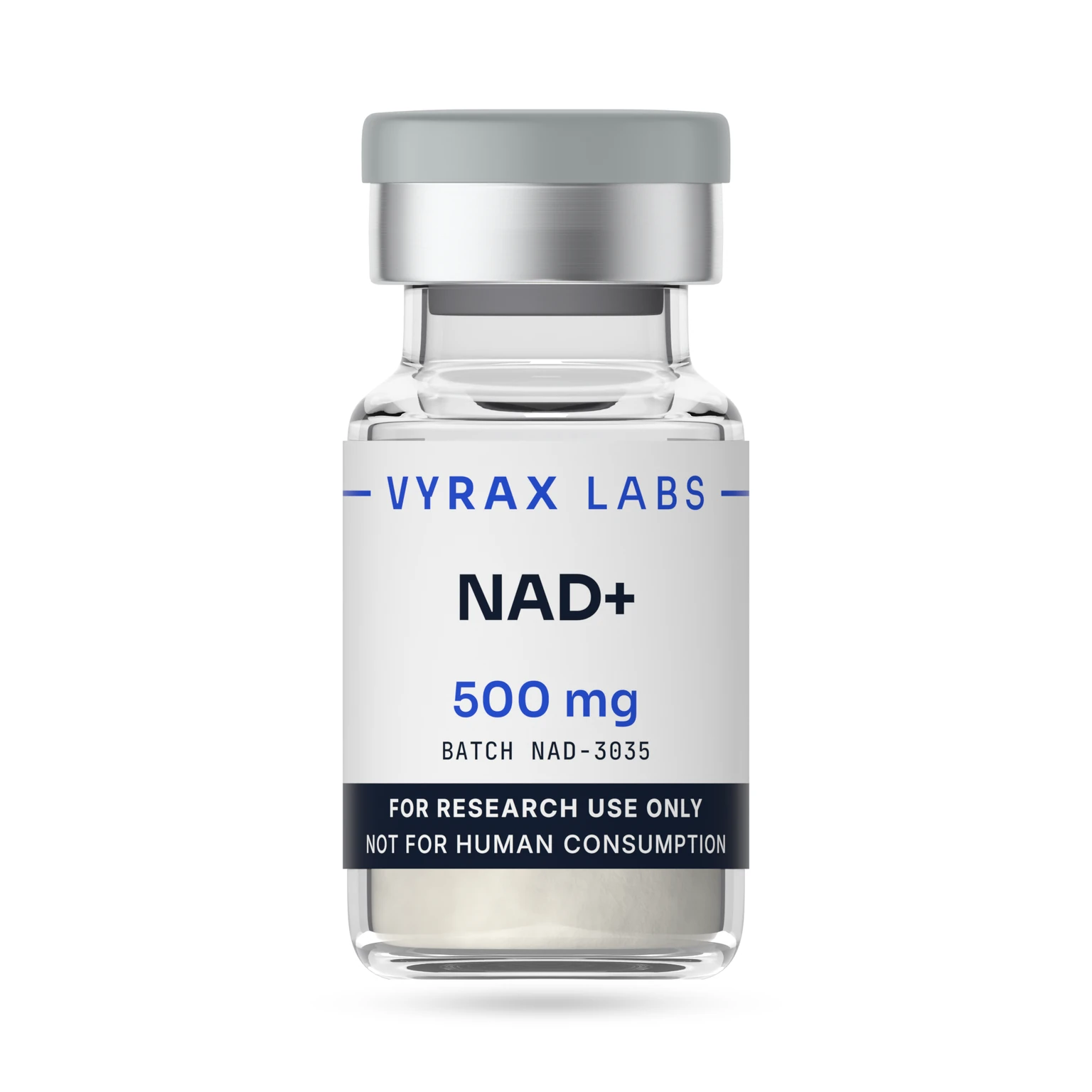
- Label every vial with the compound, concentration, batch number and date.
Signs of degradation
Cloudiness, visible particles, a change in colour (other than a compound's normal colour) or a powder that has collapsed into a sticky film can all indicate moisture exposure or degradation. If in doubt, do not use the material in an experiment and contact us with the batch number.
| Form | Temperature | Notes |
|---|---|---|
| Lyophilised, long term | -20°C | Sealed, dark, dry |
| Lyophilised, short term | 2 to 8°C | Sealed, dark |
| Reconstituted | 2 to 8°C | Dark, sterile access, no freeze-thaw |
| Aliquoted solution | -20°C | Thaw each aliquot once only |
This guide is for laboratory research purposes. Vyrax Labs products are not for human or veterinary use, and nothing here is medical advice.