RESEARCH CATEGORY
Regenerative Research Peptides
BPC-157, TB-500, GHK-Cu and related tissue repair peptides.
6 compounds
About our regenerative research range
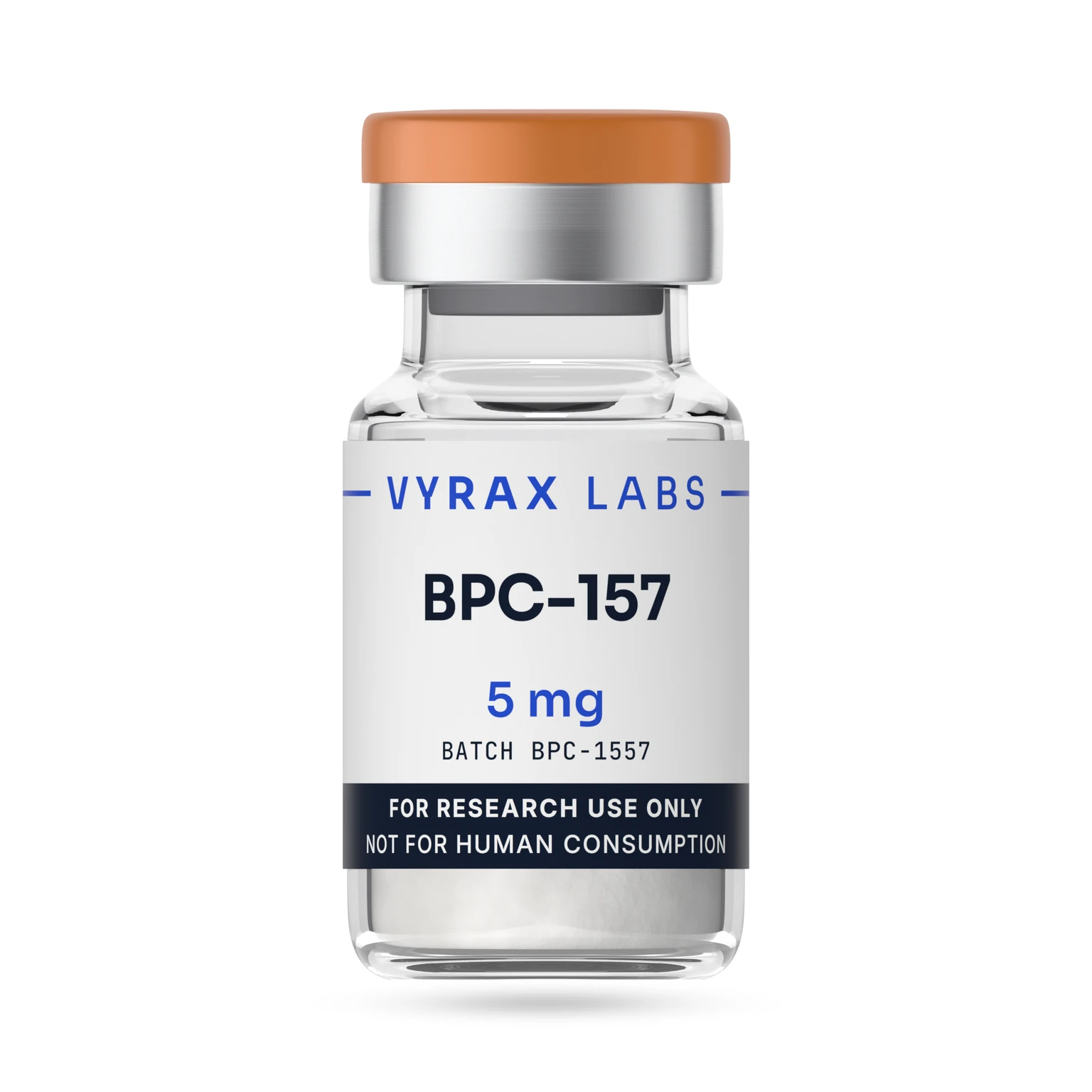
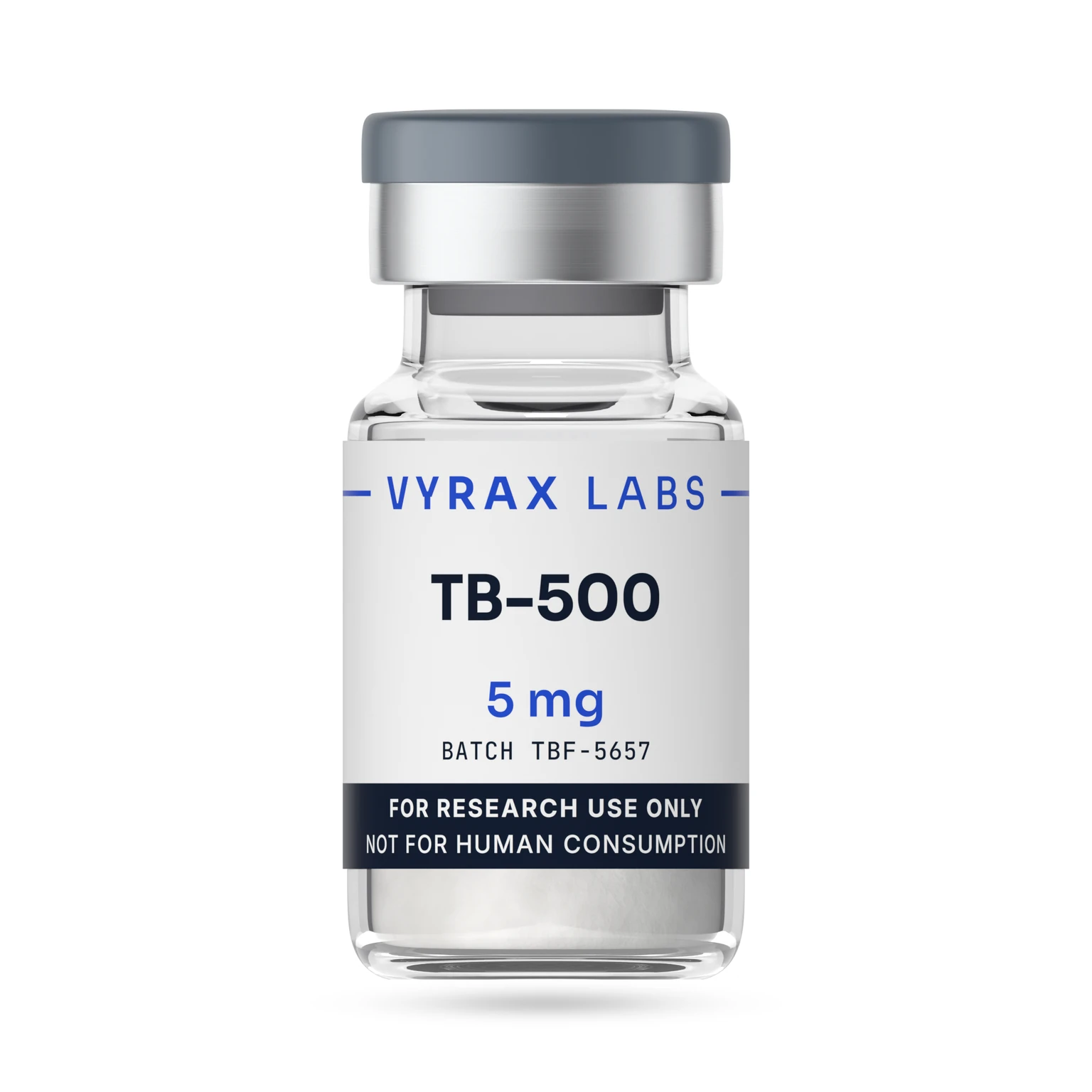
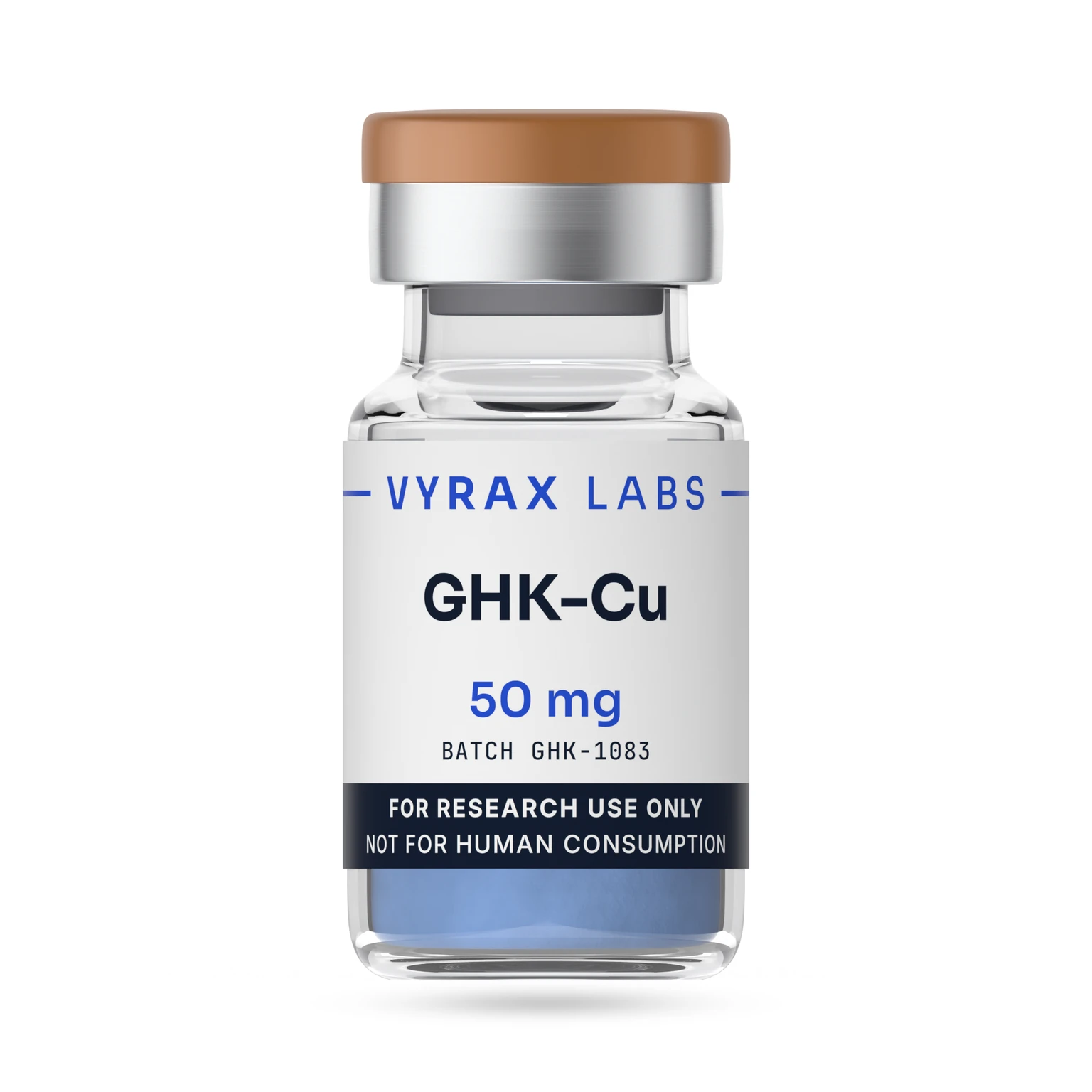
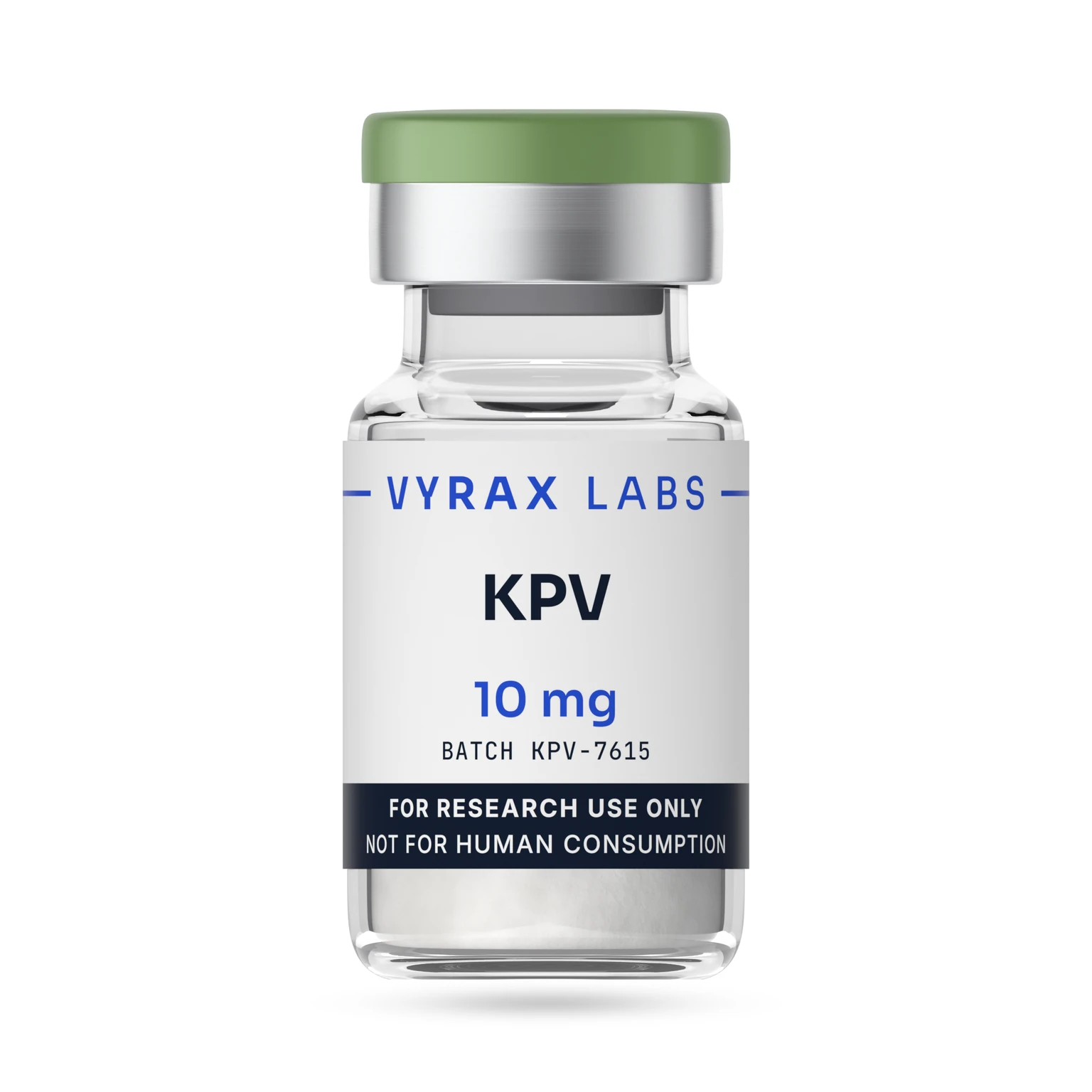
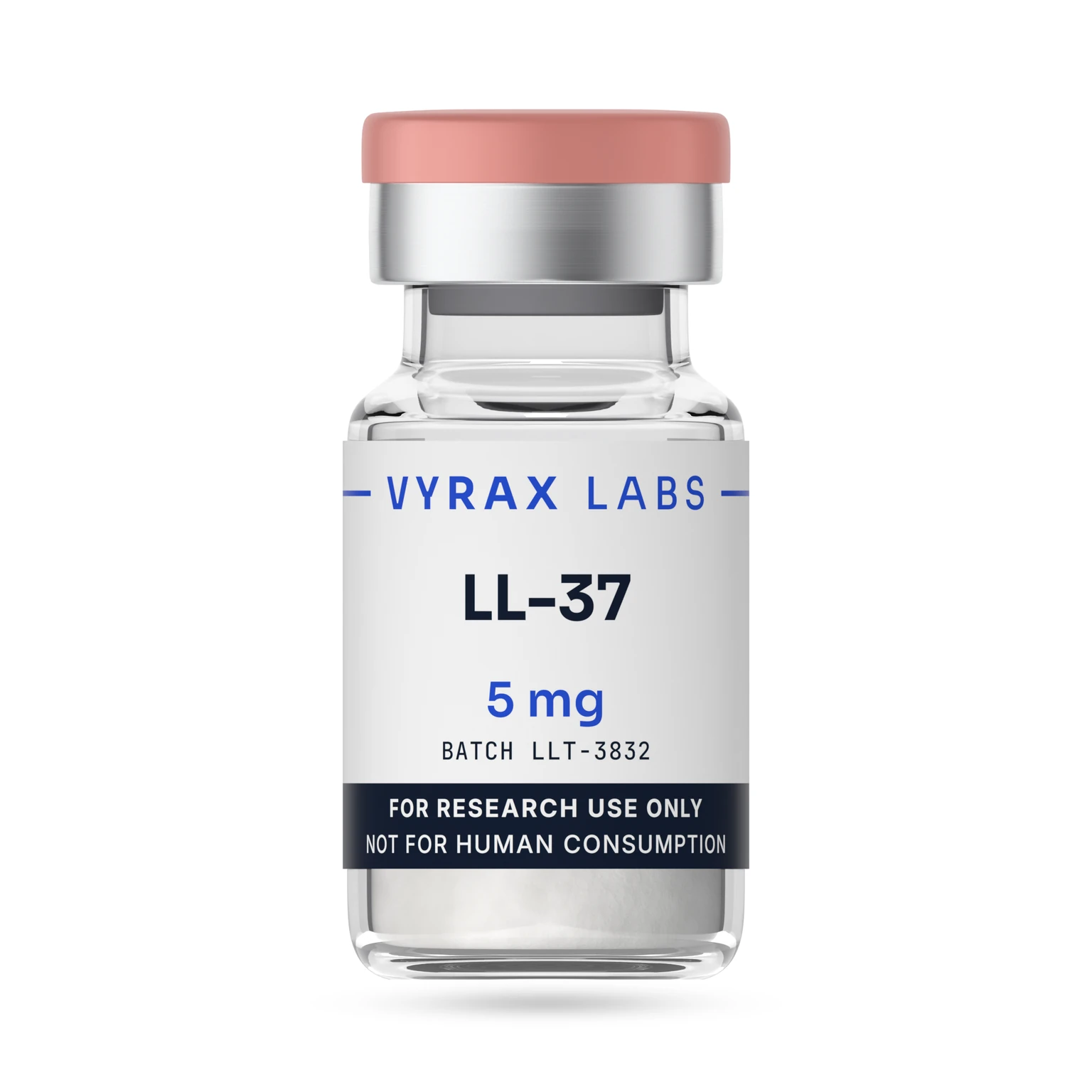
The regenerative range brings together the peptides most widely studied in tissue repair models: BPC-157, TB-500 (thymosin beta-4) and the copper tripeptide GHK-Cu, together with KPV, LL-37 and ARA-290.
Most published work on these compounds uses cell and animal models, and each product page summarises that literature in a research register with links to the original papers. For combination work, see the GLOW, KLOW and Wolverine blends.
Frequently asked questions
How quickly do you dispatch?+
Orders confirmed before 2pm on a working day are dispatched the same day. Orders confirmed after the cut-off, at weekends or on bank holidays are dispatched on the next working day.
How much is delivery?+
UK delivery is free on orders over £50. Below that, a flat fee of £4.99 applies. Every parcel is sent with tracking.
How is quality documented?+
Batches are sent to an independent laboratory for HPLC purity analysis and mass spectrometry identity confirmation. Certificates of analysis are published on our Lab Reports page and linked from each product page as they are issued.
How should I store lyophilised peptides?+
For long-term storage keep sealed vials frozen at -20°C, away from light and moisture. For short periods, 2 to 8°C refrigeration is suitable. Lyophilised peptides tolerate room temperature during transit.
Are research peptides legal to buy in the UK?+
Many research peptides are not licensed medicines and may be sold for laboratory research, provided they are not marketed or supplied for human use. The regulatory status of individual substances can change, so buyers are responsible for checking the rules that apply to their own work.
Who can order from Vyrax Labs?+
Orders are accepted from adults aged 18 or over who are buying for legitimate laboratory, analytical or educational research. Every order includes a confirmation that the materials will not be used in humans or animals.