LABORATORY GUIDE
Retatrutide vs tirzepatide vs semaglutide: receptor pharmacology compared
Updated 28 September 2026 · 7 min read
Semaglutide, tirzepatide and retatrutide are three generations of incretin-based peptides. The key difference between them is how many receptors each one activates: one, two or three.
| Semaglutide | Tirzepatide | Retatrutide | |
|---|---|---|---|
| Receptor targets | GLP-1 | GIP and GLP-1 | GIP, GLP-1 and glucagon |
| Class | Single agonist | Dual agonist | Triple agonist |
| Length | 31 amino acids | 39 amino acids | 39 amino acids |
| Backbone | GLP-1 | GIP | GIP |
| Half-life extension | C18 fatty diacid | C20 fatty diacid | C20 fatty diacid |
| Approx. molecular weight | 4,114 Da | 4,813 Da | 4,731 Da |
Semaglutide: the GLP-1 benchmark
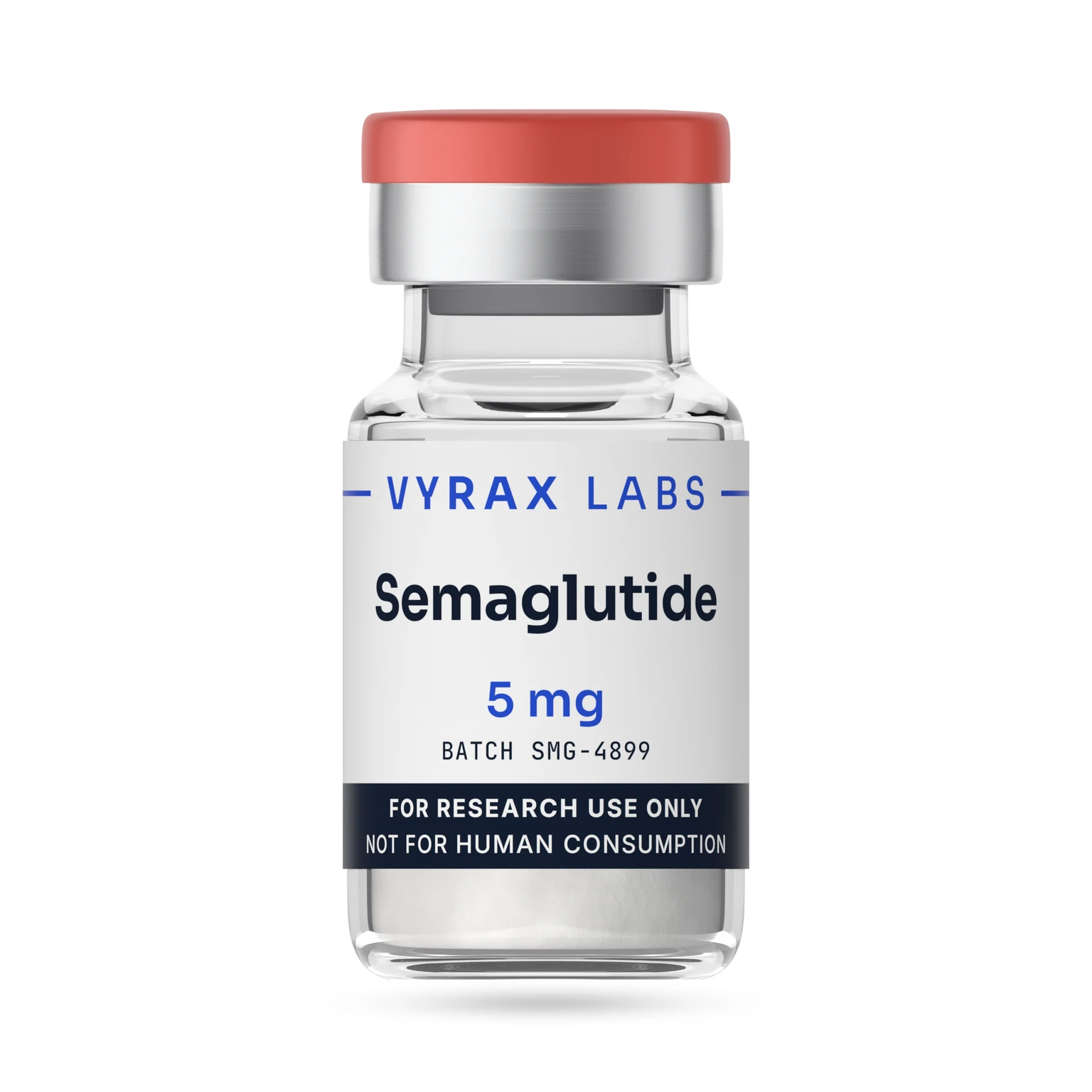
Semaglutide is a GLP-1 analogue with substitutions that protect it from DPP-4 and a fatty diacid chain that binds albumin. With the largest body of published data of the three, it is the usual reference compound for GLP-1 receptor research.
Tirzepatide: adding GIP
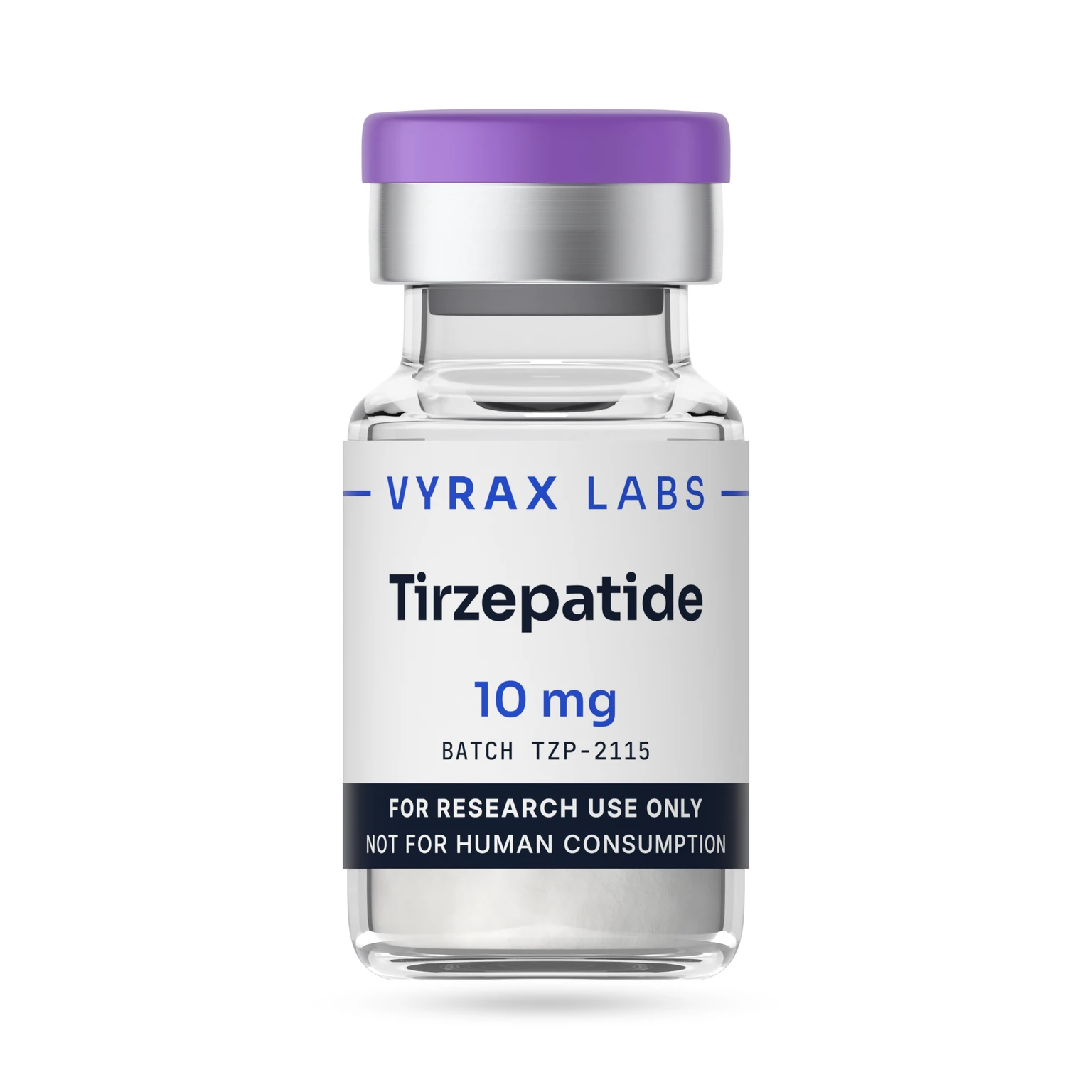
Tirzepatide is built on a GIP backbone and activates both GIP and GLP-1 receptors, with greater relative activity at the GIP receptor. Comparing it with semaglutide helps separate GLP-1 receptor effects from combined incretin effects.
Retatrutide: adding glucagon
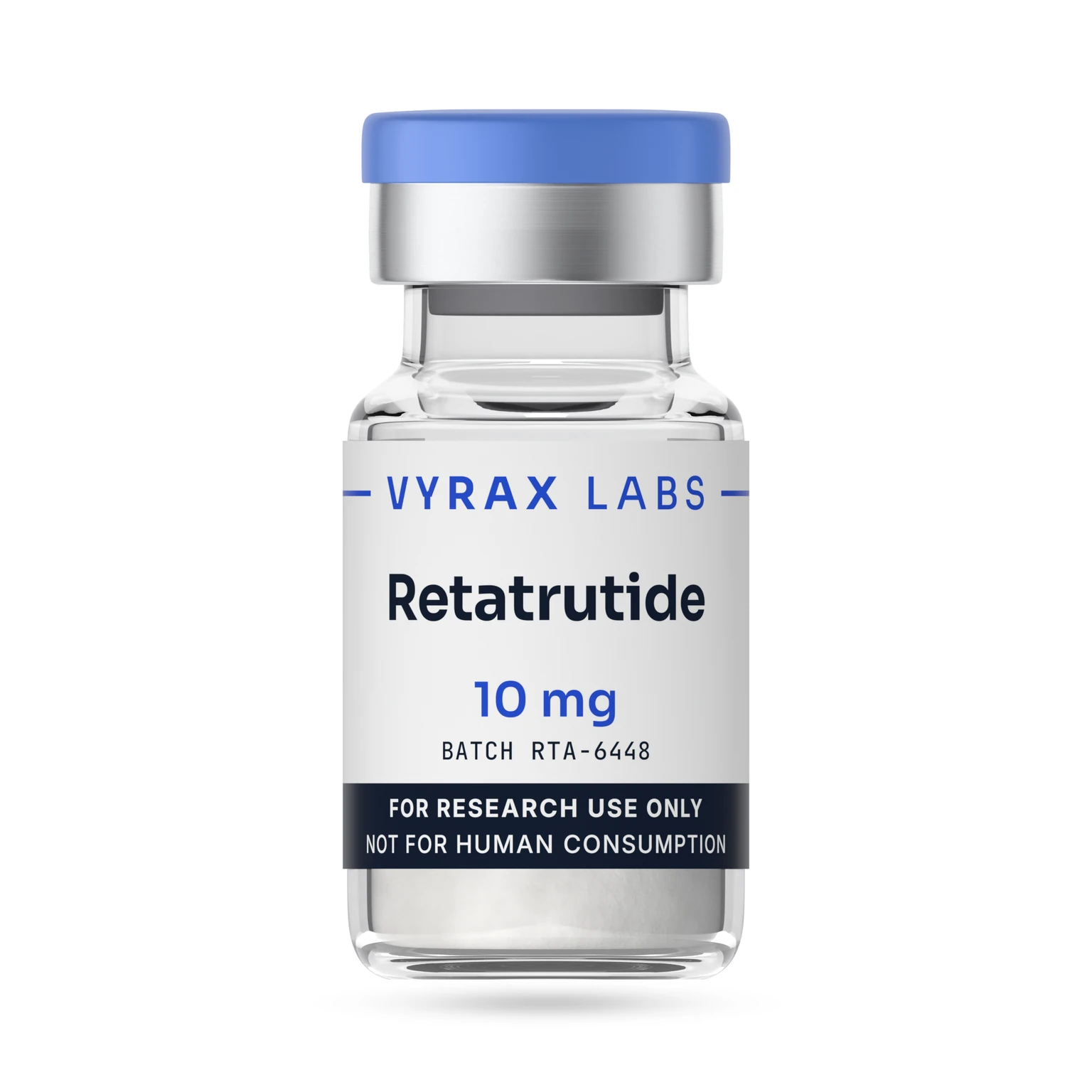
Retatrutide adds glucagon receptor agonism. Glucagon receptor activation is studied for its effects on energy expenditure and hepatic lipid metabolism, which makes retatrutide a tool for studying what a third receptor adds beyond dual incretin agonism. Its phase 2 results were published in 2023 and phase 3 programmes are ongoing.
Choosing a compound for your study
Studies that isolate GLP-1 receptor effects typically use semaglutide. Studies of combined incretin signalling use tirzepatide, often with semaglutide as a comparator. Studies of glucagon receptor contribution use retatrutide alongside one or both of the others. The amylin analogue cagrilintide is used for a separate pathway and is often studied in combination with GLP-1 agonists.